
Buying a home costs more than the purchase price.
Between the deposit, inspection, appraisal, legal fees, Property Transfer Tax, GST on new homes, and closing adjustments, buyers need to understand how much cash they may need before completion. Planning for these costs early can help avoid surprises once an offer is accepted.
Between the deposit, inspection, appraisal, legal fees, Property Transfer Tax, GST on new homes, and closing adjustments, buyers need to understand how much cash they may need before completion. Planning for these costs early can help avoid surprises once an offer is accepted.
Key Takeaways
- Buying a home involves more than saving for the down payment.
- The deposit is usually paid shortly after offer acceptance or subject removal and becomes part of the down payment.
- Buyers should budget for inspections, appraisals, legal fees, and closing adjustments.
- Property Transfer Tax can be one of the largest closing costs in B.C.
- GST may apply when purchasing a newly built home or pre-sale property.
Upfront Costs When Buying a Home
Deposit
A typical deposit is around 5% of the purchase price, although the amount and payment deadline are negotiated as part of the contract. It is often paid shortly after an offer is accepted or after subjects are removed. The deposit becomes part of your total down payment when the purchase completes.Inspection
A professional home inspection typically costs approximately $350 to $900, depending on the property’s type, size, age and complexity. Inspections for smaller condos may cost around $350 to $450, while townhomes and detached houses commonly range from $450 to $900. Larger or more complex properties may cost $1,000 or more.
Current Greater Vancouver estimates generally fall within these ranges. 2026 B.C. inspection guide.
Current Greater Vancouver estimates generally fall within these ranges. 2026 B.C. inspection guide.
Appraisal Fee
Your lender may require an appraisal to confirm the property’s market value. A standard residential appraisal commonly costs approximately $400 to $600, although larger, rural, luxury or otherwise complex properties may cost $600 to $1,000 or more. Some lenders cover the appraisal fee, so confirm who is responsible for paying it before ordering one.Legal or Notary Fees
A lawyer or notary handles the transfer of ownership, registration of the mortgage and other closing documents. Buyers should generally budget approximately $1,500 to $2,500 for a standard purchase with a mortgage, including typical fees and disbursements. Complex transactions, rush files or properties with title issues may cost more. The exact quote can vary depending on what is included. Buyers should ask whether the quoted amount includes:
Land Title Office registration charges
- Title searches
- Mortgage registration
- Tax certificates
- Software and administrative charges
- Title insurance
- GST
Taxes and Adjustments Buyers Need to Budget For
Property Tax Adjustment
Property taxes are typically paid on July 1st for the whole year. If the seller has already paid the full year's property taxes, the buyer will reimburse the seller for the portion of the year after the closing date. Conversely, if the property taxes have not yet been paid, the seller will owe the buyer for the period before the closing date.Property Transfer Tax
This is a big one. In BC, property transfer tax is calculated as 1% on the first $200,000 of the purchase price, 2% on the portion between $200,000 and $2,000,000, and 3% on the portion above $2,000,000, and if the property is residential, a further 2% on the portion of the fair market value greater than $3,000,000. Some exemptions may be available for first-time homebuyers.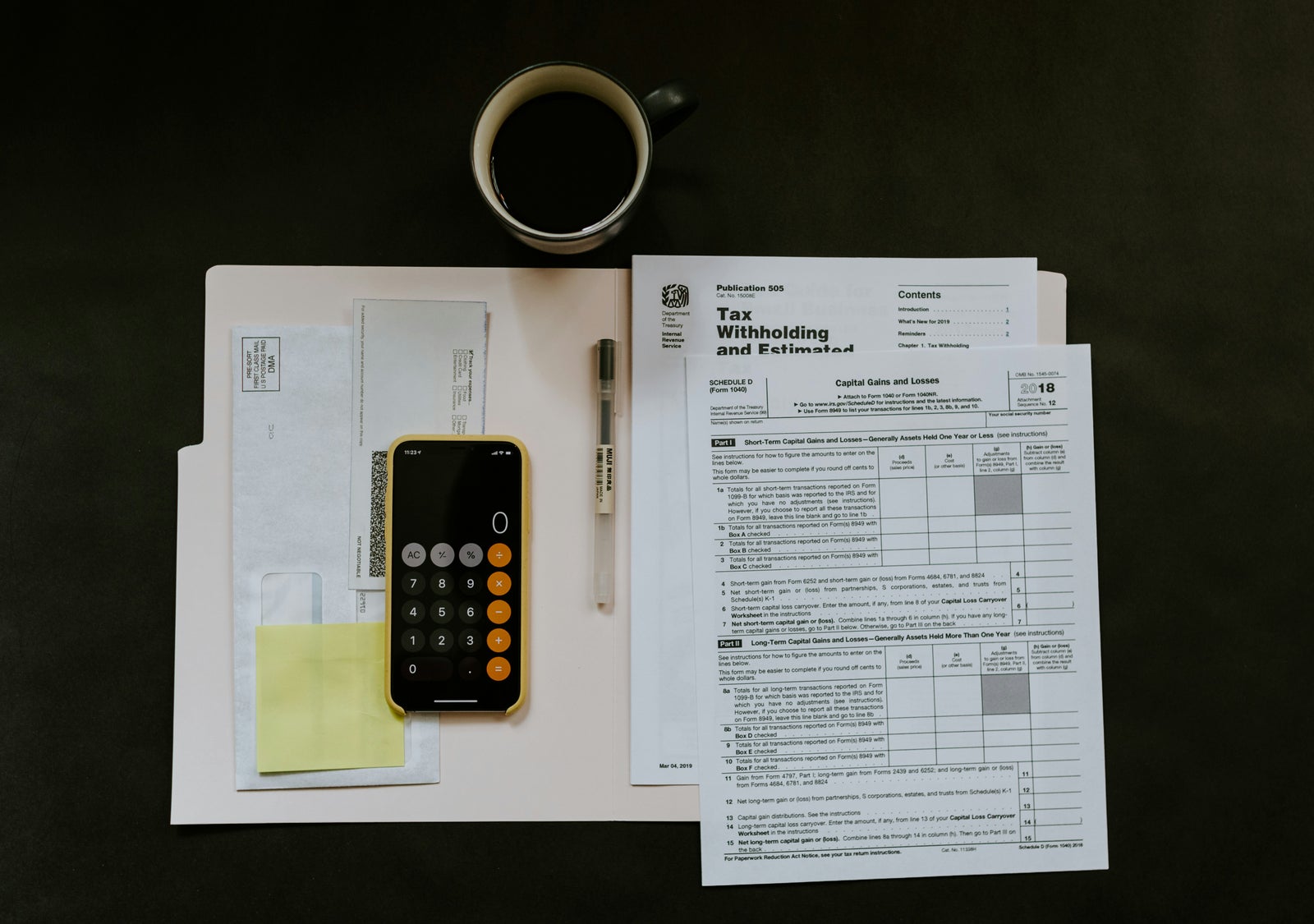
GST
If you are purchasing a newly built or substantially renovated home, 5% GST will generally apply to the purchase price. Eligible first-time buyers can now recover up to 100% of the GST paid, to a maximum rebate of $50,000, on qualifying homes valued up to $1 million. The rebate is gradually reduced for homes valued between $1 million and $1.5 million. See CRA rebate details. The program generally applies to purchase agreements entered into on or after March 20, 2025, and before 2031, provided the buyer and property meet the program requirements.Final Thoughts
Buying a home in British Columbia is a major financial undertaking that requires careful planning and budgeting. By understanding and preparing for the various costs associated with homeownership, you can navigate the process with greater confidence and peace of mind.Do you have questions or need help finding your dream home? Feel free to reach out! I'm here to make your home-buying journey as smooth and enjoyable as possible. Happy house hunting!