
Real estate is often framed as a financial transaction driven by price, interest rates, and market timing. But in practice, buying and selling a home is far more emotional than most people expect. Fear, hope, relief, pride, and disappointment all surface at different stages of the process. Psychology helps explain why perfectly reasonable people can become rigid over small issues, or surprisingly flexible after tense negotiations. Understanding these patterns can make the entire experience smoother and lead to better outcomes.
Key Takeaways
- Personal attachment can cause sellers to value their homes more highly than the market does.
- Buyers and sellers often anchor themselves to a price or expected outcome.
- Fear of loss can make reasonable compromises feel much more significant.
- Inspections frequently become an emotional pressure point for both parties.
- Recognizing these patterns can prevent small disagreements from derailing a good decision.
When a Home Is More Than a House
For sellers, a home is rarely just an asset. It is deeply personal. Many have lived there for years or decades. It is where children took their first steps, holidays were celebrated, and everyday routines unfolded. Sellers often invested enormous time, money, and emotional energy into shaping the space. Because of this, sellers tend to value their homes more highly than the market does.Psychologists Daniel Kahneman and Amos Tversky described this tendency as the Endowment Effect. People assign more value to things simply because they own them. In real estate, this effect is amplified by memory and identity. When buyers do not see the same value, or point out flaws, sellers can feel criticized on a personal level, even if the feedback is purely practical.
Why Accepting a Lower Offer Can Feel So Hard
Most sellers anchor emotionally to a number long before their home hits the market. This is known as Anchoring Bias, another concept studied by Kahneman and Tversky. Once a number becomes the reference point, everything else is judged relative to it. An offer below that number feels wrong, even when market data supports it. This reaction is strengthened by Loss Aversion, a core part of Prospect Theory, also developed by Kahneman and Tversky. Loss aversion explains that people feel the pain of a loss more strongly than the pleasure of an equivalent gain. Accepting less than hoped does not just feel disappointing. It feels like a loss. That emotional pain often lingers into the next phase of the transaction.Why Sellers Dig In During Inspections
After compromising on price, sellers may feel they have already given enough. When inspection requests arrive, even small ones, emotions can flare. I’ve seen multi-million dollar deals almost fall apart over a $200 fix. Refusing repairs is often less about the cost and more about regaining control or protecting dignity. Psychologically, it feels like being asked to give up even more after already taking a hit. From the seller’s perspective, the inspection can feel like criticism of a place they cared for deeply. What a buyer sees as a minor defect, a seller may experience as a judgment on how they lived or maintained their home.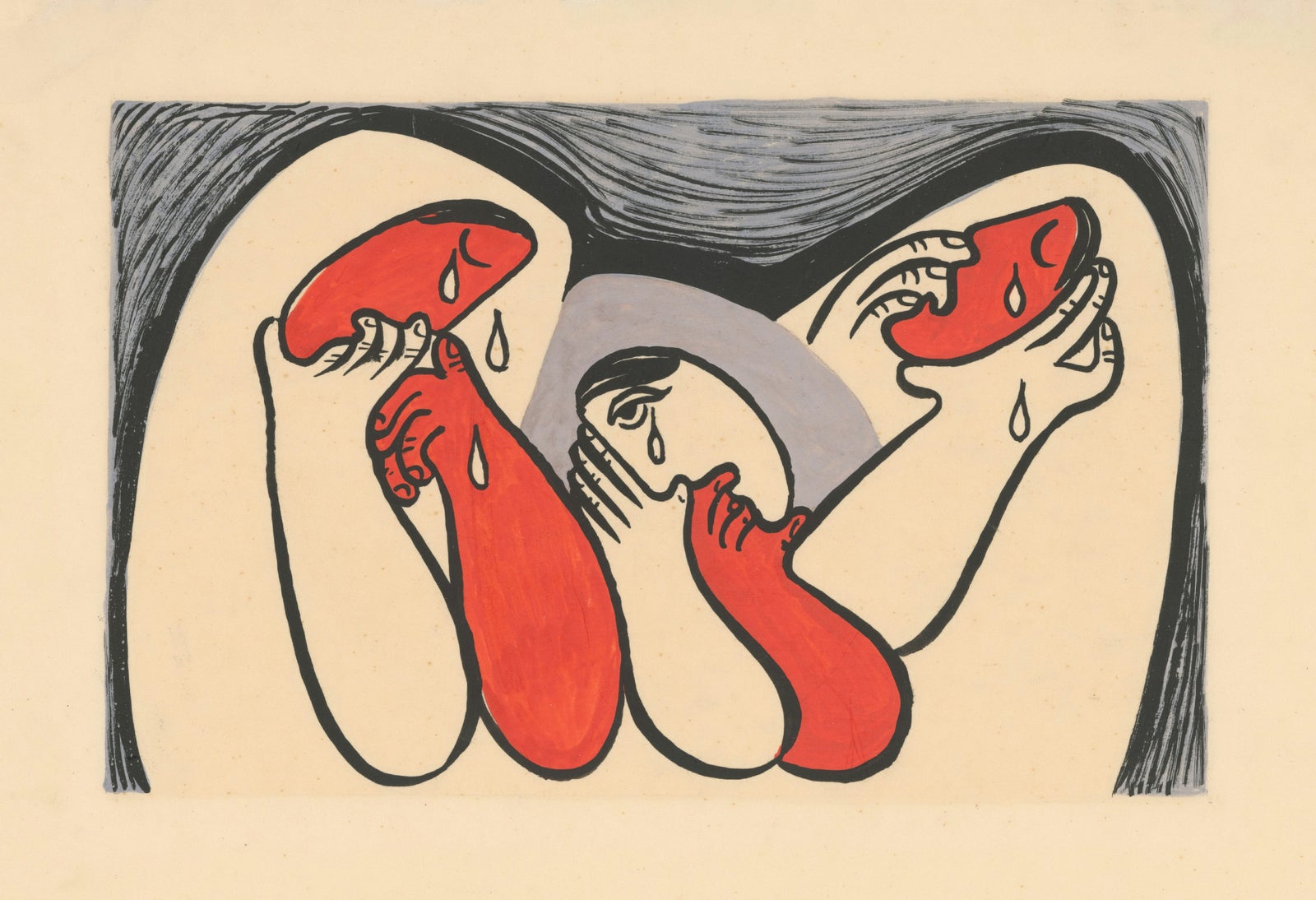
The Buyer Mindset in Competitive Markets
Buyers are not immune to emotional pressure. Many spend months looking and may have lost a bidding war or two. It’s easy for buyers to start feeling anxious about whether they will ever secure a home they love. Scarcity plays a major role here. The Scarcity Effect tells us that people place higher value on things that feel rare or hard to obtain. Multiple offer situations intensify attachment and urgency.When buyers finally win, relief is often immediate. But relief can quickly be followed by doubt, especially if the winning offer was aggressive. This emotional swing explains why buyer behaviour can diverge so sharply after an offer is accepted.
Why Some Buyers Try to Claw Back
Buyers who worry they may have overpaid often experience Cognitive Dissonance, a concept introduced by psychologist Leon Festinger. Cognitive dissonance occurs when actions conflict with beliefs, creating mental discomfort. A buyer who stretched financially may later question whether the decision was wise. To reduce that discomfort, the inspection phase can become a tool for emotional balance. Minor issues suddenly feel significant. Requests grow larger or more rigid. This behaviour is not usually about being difficult. It is about easing fear and regret.Why Other Buyers Are Surprisingly Easygoing
Interestingly, buyers who barely win a bidding war often show the opposite behaviour. Coming so close to losing the home heightens its perceived value. The fear of starting over outweighs concerns about small defects. Relief and gratitude take centre stage, and flexibility increases. Psychology explains this too. The perceived loss of walking away feels far greater than the cost of addressing minor issues.Inspection as the Emotional Pressure Point
Inspections are where psychology is most active. Sellers may feel judged. Buyers may suddenly imagine worst-case scenarios. Anchoring, loss aversion, and cognitive dissonance all collide in this moment. When emotions are not managed, small issues can escalate quickly.Why Deals Fall Apart Over Small Things
Most deals do not collapse because of repair costs alone. They fall apart because emotions go unrecognized. Small issues become symbols of larger fears or frustrations. Once trust erodes, resolution becomes harder, even when solutions are straightforward.
The Role of Guidance
A skilled Realtor helps translate emotion into perspective. Separating facts from feelings. Providing context about what is normal and what is negotiable. Helping clients zoom out and focus on long-term goals instead of short-term discomfort. Psychology does not disappear in real estate, but it can be managed.Final Thoughts
Buying and selling a home is a human experience. Emotion is not a flaw in the process. It is part of it. Psychological theories like loss aversion, the endowment effect, and cognitive dissonance explain why people react the way they do, especially under stress. With awareness and the right guidance, those reactions do not have to derail good decisions. They can be understood, anticipated, and navigated with confidence.Related Reading
- Listing Price vs. Selling Price: What’s the Difference?: Why the price attached to a listing may differ from its market value and eventual selling price.
- Are Home Prices Dropping in BC?: How uncertainty about future prices can affect buyer confidence and decision-making.
- When Is the Best Time to Sell in Greater Vancouver?: How market conditions, competition, and personal circumstances should shape a seller’s timing.
- Does It Make Sense to “Marry the House, Date the Rate?”: What buyers should consider before allowing interest-rate predictions to drive their decision.