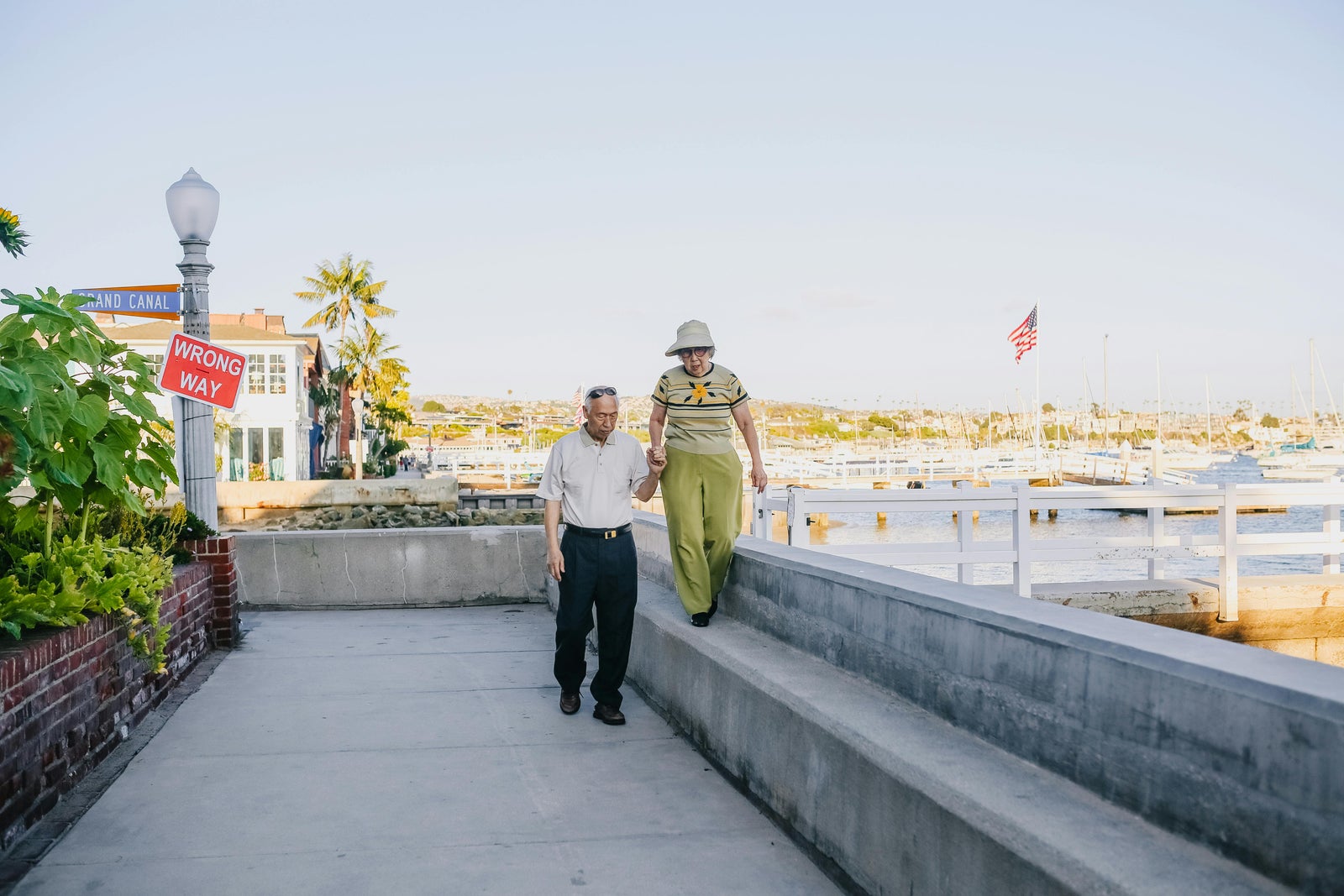
Sandra never imagined she would give up her winters in Arizona.
For years, her routine was simple. Half the year she lived in her condo in Pitt Meadows. When the cold and rainy weather arrived, she packed a suitcase and boarded a flight south to Scottsdale, Arizona, where she had a modest condo and a regular tee time with a small group of fellow Canadians who had all made the same decision: escape the winter and enjoy the sunshine.
For decades, becoming a snowbird represented freedom for many Canadians. Retire, leave the Canadian winter behind, and spend months each year in places like Arizona, Florida, or California. It was a reward after a lifetime of work. Warm weather, lower living costs, and an active social life made the decision feel easy.
But that long-standing pattern is beginning to change.
Many are quietly selling their U.S. properties, shortening their stays, or deciding not to return at all. What once felt like a dream lifestyle is now coming with complications that feel heavier and harder to ignore.
Key Takeaways
- Rising ownership costs and a weaker Canadian dollar are making extended stays in the U.S. more expensive.
- Healthcare concerns and travel insurance limitations are prompting some aging snowbirds to remain closer to home.
- Border requirements have added another layer of planning for Canadians spending extended periods in the United States.
- Some returning snowbirds are downsizing or choosing homes that support multigenerational living.
- Communities such as Maple Ridge and Pitt Meadows offer the space and housing flexibility many returning retirees need.
Why Canadian Snowbirds Started Spending Winters in the U.S.
The snowbird lifestyle took hold during a different era. Crossing borders was simple, healthcare access felt predictable, and spending months abroad came with relatively few complications. Many Canadians purchased modest condos or park model homes decades ago at prices that now seem almost unimaginable.Over time, entire communities formed around seasonal migration. Neighbourhoods in Arizona and Florida filled with Canadians who returned year after year. Friendships formed, routines developed, and the winter migration became part of people’s identities.
But the world those decisions were made in no longer exists.
Healthcare Concerns Are Changing Snowbird Plans
One of the biggest pressures facing aging snowbirds is healthcare. As people get older, medical needs become more frequent and less predictable. Accessing care in the United States is expensive and complicated, and navigating unfamiliar healthcare systems can feel overwhelming.Even with travel insurance, coverage gaps can be stressful and financially risky. For many Canadians, the peace of mind that comes with being close to their provincial healthcare system is beginning to outweigh the appeal of winter sunshine.
The thought of managing a health emergency thousands of kilometres from home, family, and familiar doctors is enough to prompt a serious re-evaluation.

Rising Costs Are Making Snowbird Living Less Affordable
The cost advantage of snowbird living has also narrowed. Property taxes, homeowners’ association fees, insurance, and maintenance costs in popular U.S. destinations have climbed steadily. At the same time, the Canadian dollar has weakened against the U.S. dollar, making everyday expenses feel noticeably higher.Sandra saw this firsthand. Over the years, the homeowners’ association fees at her Scottsdale condo more than doubled. Meanwhile, the strata fees at her Pitt Meadows condo remained relatively stable. Even simple things like groceries and dining out began to feel expensive once converted to Canadian dollars.
What once felt affordable was starting to require careful budgeting.
For some retirees, the funds tied up in a second property are beginning to look better invested at home, whether that means improving their primary residence, travelling closer to family, or simply maintaining greater financial flexibility.
New U.S. Border Rules Are Adding Stress for Snowbirds
Changes to border enforcement and residency tracking have added another complication. Canadians can only stay in the United States for a limited number of days each year, and overstaying those limits can have serious consequences.Recent policy changes have also introduced new registration requirements for Canadians planning extended stays. While the traditional six-month visa-free stay still technically exists, the process of entering and staying in the U.S. is no longer as simple as it once was.
For people who once moved freely between Canada and the United States, this added layer of administration has changed the emotional experience of travel. A lifestyle built on ease now comes with rules that feel rigid and closely monitored.
Why Many Snowbirds Are Choosing to Stay Closer to Home
Perhaps the biggest change is emotional rather than financial.As snowbirds age, priorities evolve. Time with children and grandchildren becomes more important. The desire to feel rooted, supported, and connected grows stronger. Many retirees are realizing that while winter weather may be inconvenient, being close to loved ones matters more.
Sandra eventually reached that same conclusion. Instead of maintaining two separate homes, she decided to sell both her Arizona condo and her Pitt Meadows condo. She joined forces with her daughter and son-in-law to purchase a larger property in Maple Ridge.
The plan worked beautifully. Sandra’s daughter and her family live in the main house, while Sandra has a laneway home on the same property. The arrangement allowed Sandra to help her daughter purchase a home that might not have been possible otherwise, while ensuring she would be close to her grandchildren as she grows older.
She still escapes the rain and cold from time to time. The difference is that now those trips are shorter vacations rather than months away.
What Returning Snowbirds Mean for the Canadian Housing Market
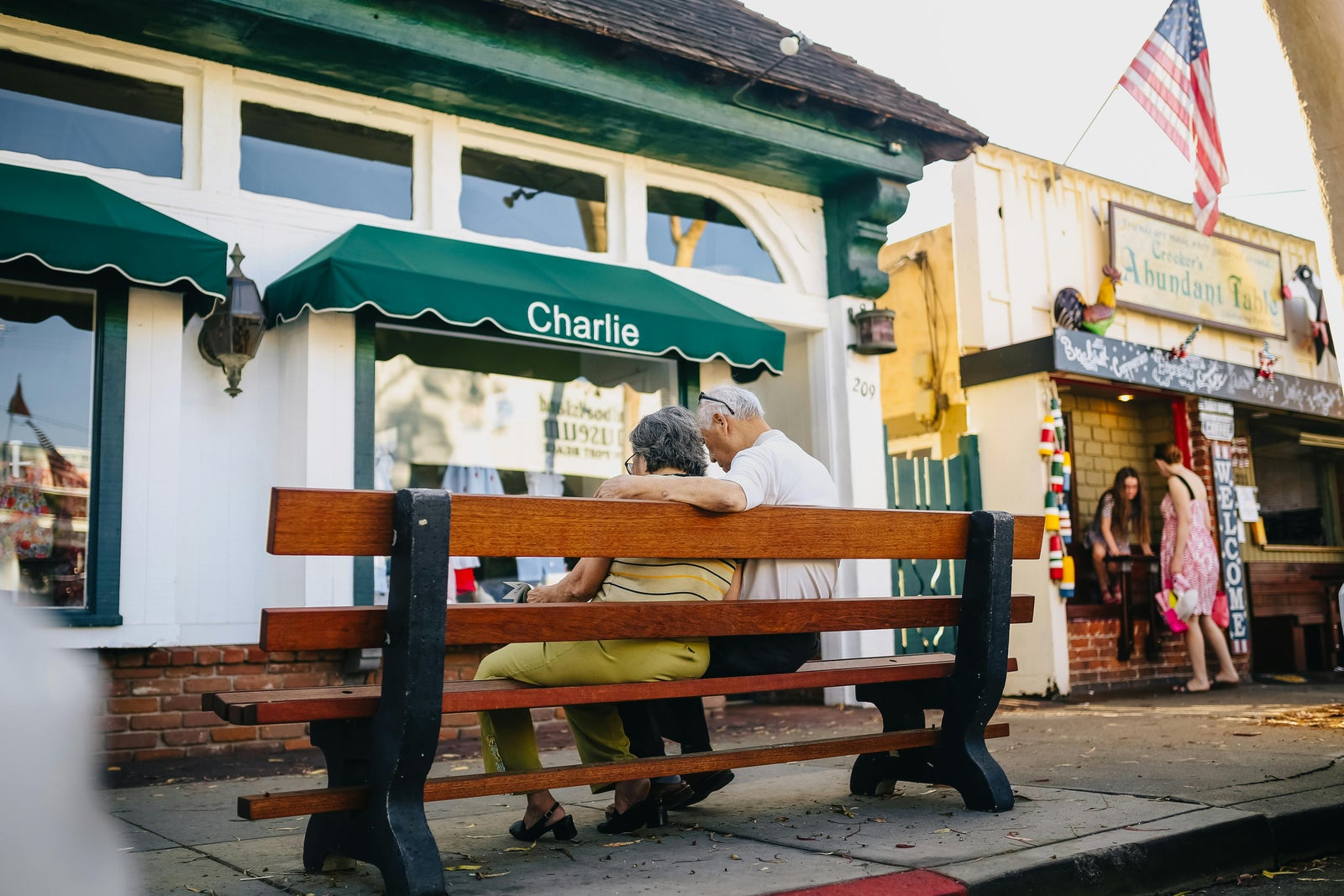
This shift also has implications for Canadian real estate.Returning snowbirds often re-enter the market as buyers. Some are downsizing into low-maintenance homes. Others are purchasing properties that allow for multigenerational living. In places like Maple Ridge and Pitt Meadows, where larger properties and secondary homes are more common, these arrangements are becoming increasingly attractive.
At the same time, properties owned by Canadians in traditional snowbird destinations are slowly returning to the market in the United States, adding supply to those areas.
For Canadians approaching retirement, these trends are prompting new questions. Where do they want to be if their health changes? How important is proximity to family? What kind of home will support the next stage of life?
The Future of the Canadian Snowbird Lifestyle
The decision to step away from snowbird life rarely happens overnight. It unfolds gradually as people reassess their finances, health, and long-term priorities.What stands out is that this shift is not about regret. It is about alignment. The needs and values of today’s retirees are different from those of previous generations.
The image of the snowbird is unlikely to disappear completely. But it is evolving. For many Canadians, the future looks less like escaping winter and more like building comfort, stability, and connection at home.
And for people like Sandra, that new version of retirement still includes sunshine, golf, and travel. It just happens a little closer to home.
Related Reading
- Why Gen Z Will Never Leave Home: How housing costs are contributing to a rise in multigenerational living.
- Should You Buy First or Sell First?: What to consider when selling one property and purchasing another.
- The Cost of Buying a Home: The closing costs and additional expenses to budget for when purchasing in B.C.
- The Cost of Selling a Home: The expenses involved in selling a Canadian property and estimating your net proceeds.