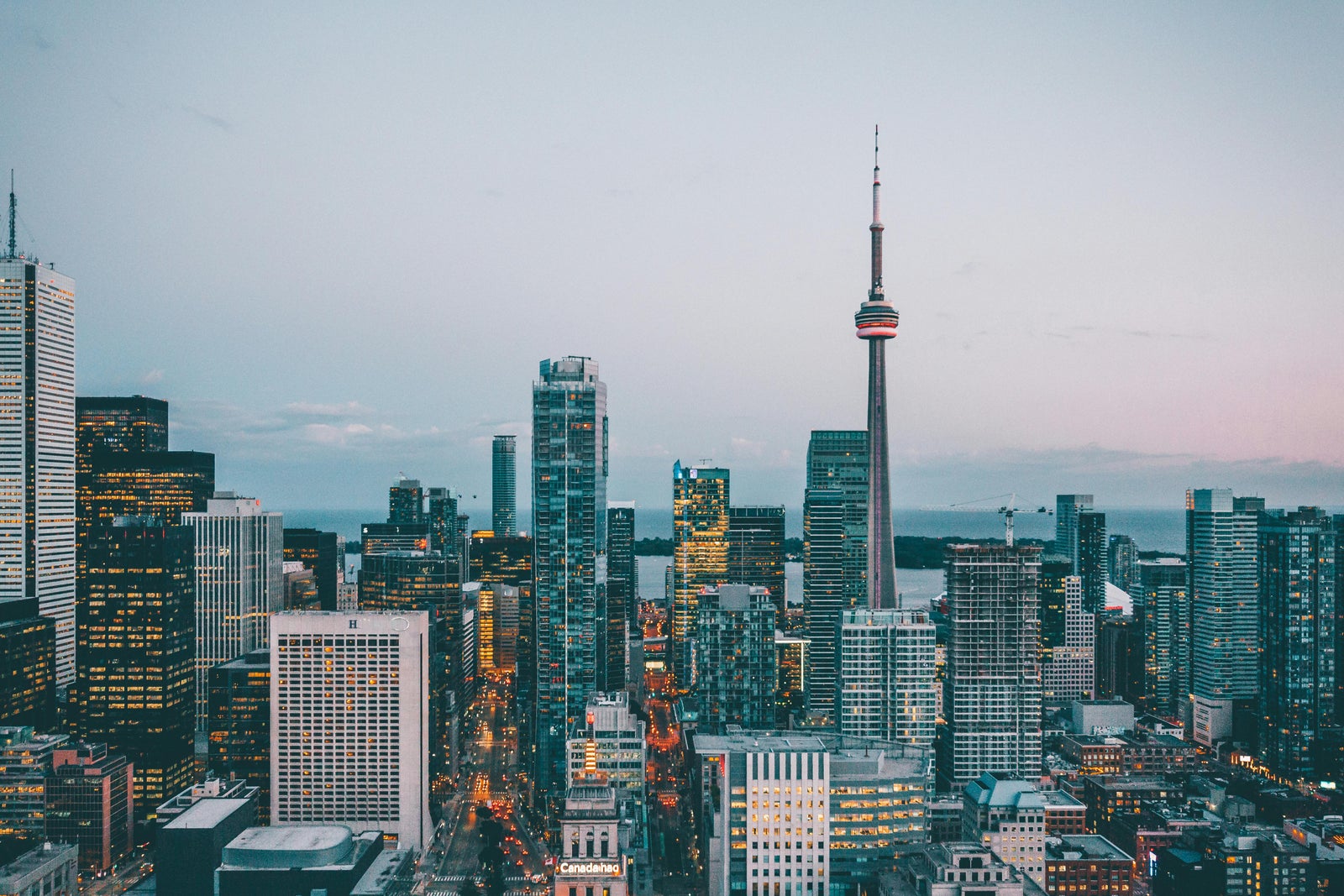
For years, Canadians were told real estate was one of the safest investments they could make. Prices seemed to rise year after year, and pre-construction condos were marketed as an easy path to building wealth. Glossy ads, celebrity endorsements, and the promise of “getting in early” convinced thousands of investors to jump in. But as recent stories show, pre-sales can carry serious risks, especially when markets shift.
Key Takeaways
- A pre-sale purchase is a binding commitment, even when completion is years away.
- Assignment sales depend on developer approval and finding another qualified buyer.
- A lower appraisal at completion can leave the buyer responsible for a significant financing shortfall.
- Small units may be more difficult to finance through some lenders.
- Buyers should be financially prepared to complete the purchase and obtain independent advice before signing.
Nizar's Story: A Harsh Lesson
Maclean’s told us the story of Montrealer Nizar Tajdin. In 2022, Nizar believed he was making a smart financial move. Encouraged by a realtor who specialized in pre-construction deals, he put down a deposit on a Toronto condo in the Forest Hill area. The plan wasn’t to live there; it was to flip the purchase agreement in what’s called an assignment sale.During the condo boom, assignment sales were common. Buyers would resell their contracts before construction finished, often making tens of thousands of dollars without ever moving in. Nizar was told he could double his deposit.
But by 2024, the market had cooled sharply. Condo prices fell, buyers disappeared, and his realtor stopped returning calls. When it came time to close, Nizar couldn’t secure financing. The developer kept his deposit and, as Maclean’s reported, went further by suing him for damages. Now Nizar faces years of legal battles and the possibility of bankruptcy.
Sara’s Experience: A Middle-Class Buyer Caught in the Downturn
Nizar’s case isn’t unique. Sara, a single mother from Toronto, invested $116,000 into a 323-square-foot pre-construction condo in 2020. Like many, she grew up believing property was the responsible way to build wealth. Her plan was simple: rent the condo out for a few years, then sell at a profit.But the Bank of Canada’s rapid interest rate hikes changed everything. Mortgage costs soared and condo values dropped. By the time she went to close, the unit had appraised $220,000 lower than her purchase price. Many lenders refused to finance such a small unit, leaving her without options. She lost her deposit and faces the risk of further legal claims from the developer.

What Went Wrong
Stories like these highlight how fragile the pre-sale system can be. Developers rely on pre-sales to finance construction, so their sales teams push hard to get buyers signed up. As long as demand is strong, the system works. But when demand falls, buyers are left exposed.Today, many developers in Toronto are sitting on unsold units. Some projects have been delayed, cancelled, or even abandoned mid-construction. Lawsuits against buyers who can’t close have become more common, and investors who once expected easy profits are now struggling with losses.
How Vancouver Compares
So, how does all this stack up against the market here in Vancouver? The short answer: Vancouver faces similar pressures, but the situation isn’t nearly as severe as Toronto’s.As of late 2025, both Toronto and Vancouver were experiencing pressure in their condo markets. Since 2022, sales had slowed sharply in both cities, leaving many buyers and investors on the sidelines. Investors in particular were feeling the squeeze as rising mortgage payments outpaced what they could earn in rent. Developers responded by delaying projects, converting some condos into rental buildings, and offering incentives to buyers in an effort to keep sales moving.
Where the two cities diverge is in the severity of the downturn. Toronto has seen double-digit price declines since the peak, while Vancouver’s corrections have been far more modest. This means local buyers here have not faced the same level of financial losses. Toronto’s market also leaned heavily on speculative flipping of pre-sales, a practice that magnified risks when the market turned. Vancouver certainly has its share of investors, but stricter policies such as the foreign buyer ban, the empty homes tax, and tighter rules around short-term rentals have kept speculation somewhat more contained. Finally, Toronto is grappling with a massive backlog of unsold units, whereas Vancouver’s inventory, though rising, is still at more manageable levels.
The takeaway? Vancouver buyers should stay cautious, but there’s no need for panic. Our market hasn’t experienced the same dramatic plunge Toronto has, and long-term fundamentals here, like strong population growth and limited land supply, remain supportive.
What Buyers Should Keep in Mind
If you’re considering a pre-sale condo today, there are important lessons to take from Toronto’s struggles:- Don’t assume you can flip your contract. Assignment sales depend on finding another buyer, and that can be difficult in a slower market.
- Check whether the unit is mortgageable. Very small condos (under 400 sq. ft.) can be harder to finance.
- Be prepared to close. If values drop, your lender may finance only the appraised value, leaving you to make up the difference.
- Always have independent representation. Don’t rely solely on the developer’s sales team. Work with your own realtor and lawyer to protect your interests.

Final Thoughts
The condo market is shifting, and stories like those of Nizar Tajdin and Sara are important reminders of the risks. But Vancouver’s situation is not the same as Toronto’s. While we’re seeing slower sales and rising inventory, the declines here have been smaller, and the fundamentals remain stronger.The bottom line? Stay informed, do your homework, and make sure you have the right guidance before signing a pre-sale contract. Real estate can still be a powerful way to build wealth—but only when you understand both the risks and rewards.
If you’re thinking about a pre-sale purchase in Greater Vancouver, let’s connect. I can walk you through the numbers, highlight the risks, and help you make a confident decision.
Related Reading
- The Great Developer Bailout?: What B.C.’s growing inventory of unsold condos could mean for developers, taxpayers, and buyers.
- Are Home Prices Dropping in BC?: How inventory, demand, and market conditions are affecting home prices.
- 10 Mortgage Deal Killers: The financial decisions that can jeopardize mortgage approval before completion.
- The Cost of Buying a Home: The taxes, legal fees, inspections, and other expenses buyers should budget for.