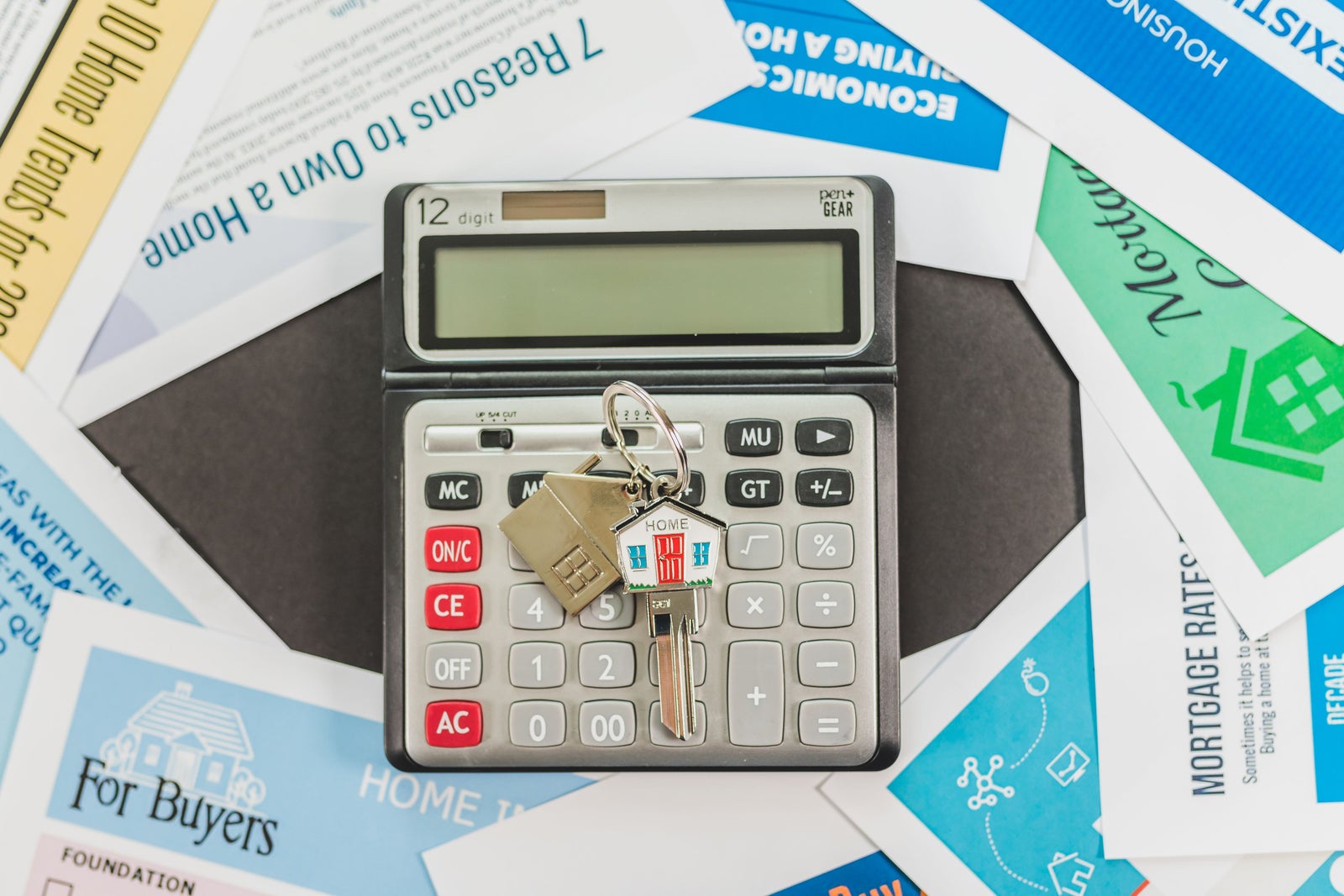
Deciding whether it is cheaper to rent or buy requires looking well beyond the monthly payment.
Mortgage costs, rent increases, maintenance, first-time buyer incentives, and the length of time you plan to stay can all change the answer. Buying may build long-term equity, while renting can offer lower upfront costs and greater flexibility. The better choice depends on your finances, timeline, and plans for the future.
Mortgage costs, rent increases, maintenance, first-time buyer incentives, and the length of time you plan to stay can all change the answer. Buying may build long-term equity, while renting can offer lower upfront costs and greater flexibility. The better choice depends on your finances, timeline, and plans for the future.
Key Takeaways
- Comparing rent with a mortgage payment does not show the full cost of either option.
- Buyers must budget for taxes, insurance, maintenance, and closing costs.
- Renters gain flexibility but do not build equity through their payments.
- First-time buyer programs can make ownership more affordable.
- Buying usually becomes more attractive over a longer timeline.
How to Compare Renting and Buying Fairly
Ask a homeowner and they'll tell you that renting is throwing money away. Ask a renter and they'll point to property taxes, maintenance costs, and today's mortgage rates as proof that buying doesn't make sense.
The truth sits somewhere in the middle.
Many people compare their monthly rent payment to a monthly mortgage payment and assume that's enough to make a decision. It isn't. A mortgage payment is only one part of the cost of homeownership, just as rent is only one part of the cost of renting.
If you're trying to decide whether buying or renting makes more financial sense, you need to look beyond the monthly payment and consider the bigger picture.
The Hidden Costs of Buying a Home
One of the biggest mistakes buyers make is focusing entirely on the mortgage payment.Owning a home comes with a number of expenses that renters don't have to worry about. Property taxes, home insurance, maintenance, repairs, closing costs, and moving expenses all add up. For condo and townhome owners, maintenance costs often take the form of monthly strata fees and, occasionally, special levies for larger repairs and upgrades to the building.
A new roof, a failed hot water tank, an unexpected plumbing issue, or a major building repair can quickly turn an affordable month into an expensive one.
This doesn't mean buying is a bad financial decision. It simply means the mortgage payment is only part of the equation.
If you'd like a more detailed breakdown of these expenses, check out my blog, The Cost of Buying a Home.
The Hidden Costs of Renting
Renters avoid many of the costs homeowners face. They don't pay property taxes. They aren't responsible for replacing appliances or repairing a roof. If the furnace fails, that's typically the landlord's problem.But renting has its own costs.
Rent can, and typically does, increase over time. You may need to move when a landlord sells a property or chooses to occupy it. Moving costs, utility transfers, storage, and time off work can all add up.
There is also the reality that every rent payment is gone once it's paid. Mortgage payments work differently. With each payment, homeowners build equity in their property, creating an asset that will grow in value over time.
For some people, the flexibility of renting outweighs these drawbacks. For others, the ability to build equity over time becomes an important factor in the decision.
There is also the question of control. Renters often face restrictions around renovations, pets, decorating, and how long they can realistically expect to stay in one place. Homeowners take on more responsibility, but they also gain more freedom to make a property their own. Depending on your stage of life, that stability may be worth just as much as the financial considerations.
Don't Forget About Retirement
Most rent-versus-buy discussions focus on the next five years.A better question might be: what do your housing costs look like when you're retired?
For homeowners, a mortgage is temporary. Property taxes, insurance, and maintenance costs remain, but the mortgage payment eventually disappears.
Rent works differently.
Someone renting today may still be paying rent twenty or thirty years from now. In fact, they will almost certainly be paying more rent than they are today.
That doesn't mean everyone should rush out and buy a home. Many renters invest the money they save and build substantial wealth through other means.
The important thing is having a plan. Housing is often the largest monthly expense people face, both during their working years and in retirement. Any rent-versus-buy decision should consider what those costs might look like decades from now, not just next year.
This is one reason many financial planners view homeownership as part of a retirement strategy. A homeowner who enters retirement with a paid-off mortgage may have significantly lower monthly housing costs than someone who continues to rent. Whether you choose to rent or buy, it's worth asking how your housing costs will fit into your retirement income years from now.

What Is the 5% Rule?
One of the most popular tools for comparing renting and buying is something called the 5% Rule.The concept was popularized by Canadian portfolio manager Ben Felix as a quick way to estimate the annual unrecoverable costs of homeownership.
The rule suggests that homeowners should expect to spend roughly 5% of a home's value each year on expenses such as property taxes, maintenance, mortgage interest, and the opportunity cost of their down payment.
The idea isn't to determine whether you can afford a home. It's meant to help compare the true cost of owning to the cost of renting a similar property.
It's a useful rule of thumb, but it has limitations.
If you'd like to learn more about the math behind the 5% Rule, including how the formula works, you can read my earlier article, Renting vs. Buying: Is the 5% Rule Still Relevant?
Why the 5% Rule Isn't the Whole Story
The biggest issue with the 5% Rule is that it assumes everyone's situation is similar.It isn't.
Mortgage rates change. Down payments vary. Property taxes differ from city to city. Some buyers plan to stay in a home for two years, while others plan to stay for twenty.
A condo in Pitt Meadows and a detached home in North Vancouver may produce completely different results, even when the rule is applied correctly.
The 5% Rule remains a helpful starting point, but it should never be the only factor driving a decision.
First-Time Buyers Have a Different Calculation
This is one area where a lot of rent-versus-buy advice falls short.First-time home buyers have access to programs that can significantly improve affordability.
A First-Time Home Buyer is generally someone who has not owned a home in the last four years and meets the eligibility requirements of the program being used.
Depending on the situation, first-time buyers may qualify for:
The First Home Savings Account (FHSA)
The Home Buyers' Plan (HBP)
Property Transfer Tax exemptions in British Columbia
30-year amortizations on eligible insured mortgages
GST rebates on certain new construction homes
These programs can reduce upfront costs, increase purchasing power, and make buying more attractive than a simple rent-versus-buy formula might suggest.
A first-time buyer and a move-up buyer may be looking at the same property but working with very different financial advantages.
Take the FHSA as an example. Eligible Canadians can contribute up to $8,000 per year and receive a tax deduction similar to an RRSP. The money can then be withdrawn tax-free to purchase a first home. Combined with the Home Buyers' Plan and potential Property Transfer Tax exemptions, many first-time buyers can save tens of thousands of dollars compared to what they would have faced just a few years ago.
These incentives don't automatically make buying the right choice, but they can dramatically change the numbers. If you're a first-time buyer, it's important to factor these programs into your calculations.
How Mortgage Rates Change the Equation
Mortgage rates have a huge impact on the cost of homeownership.Higher rates increase monthly payments and reduce affordability. Lower rates do the opposite.
This is one reason the 5% Rule has become more difficult to apply over the past several years. The assumptions used when mortgage rates were around 3% look very different when rates are closer to 5%.
At the same time, housing decisions are usually long-term decisions.
Today's mortgage rate is important, but it isn't necessarily permanent. Most homeowners will renew their mortgage many times during ownership.
Someone who purchases a home today may experience several different interest rate environments in 3 or 5 years when it’s time to renew. Rates could be lower at renewal, they could be higher, or they could remain relatively unchanged. No one knows for certain. What we do know is that the rate available on closing day is only one chapter in a much longer story.
If you're trying to decide whether buying makes sense in a higher-rate environment, you may also want to read my article, Does It Make Sense to "Marry the House, Date the Rate?"
The Most Important Factor: How Long Will You Stay?
This may be the most overlooked part of the rent-versus-buy discussion.How long do you expect to stay in the home?
Someone who plans to move again in two years may reach a very different conclusion than someone planning to stay for fifteen.
Buying and selling real estate comes with costs. Legal fees, moving expenses, closing costs, and Realtor commissions all affect the math.
The longer you stay in a property, the more time you have to spread those costs out.
Time also allows homeowners to benefit from appreciation. While real estate values can move up and down in the short term, home prices have historically trended upward over longer periods. A home purchased today may be worth significantly more ten or fifteen years from now, creating wealth that simply wouldn't exist if you had continued renting.
This is one reason buying tends to make more financial sense for people with longer time horizons. The combination of building equity, paying down your mortgage, and potential appreciation becomes more powerful the longer you own the property.
Use a Calculator, Not a Guess
Rules of thumb are helpful. Calculators are better.If you're serious about comparing renting and buying, I recommend checking out the Calculator.net Rent vs Buy Calculator.
The calculator allows you to compare:
Home price
Down payment
Mortgage rate
Monthly rent
Expected investment returns
Length of ownership
Expected rent increases
The result won't predict the future, but it will provide a much clearer picture than simply comparing a mortgage payment to your current rent.
So, Is Buying Really Cheaper Than Renting?
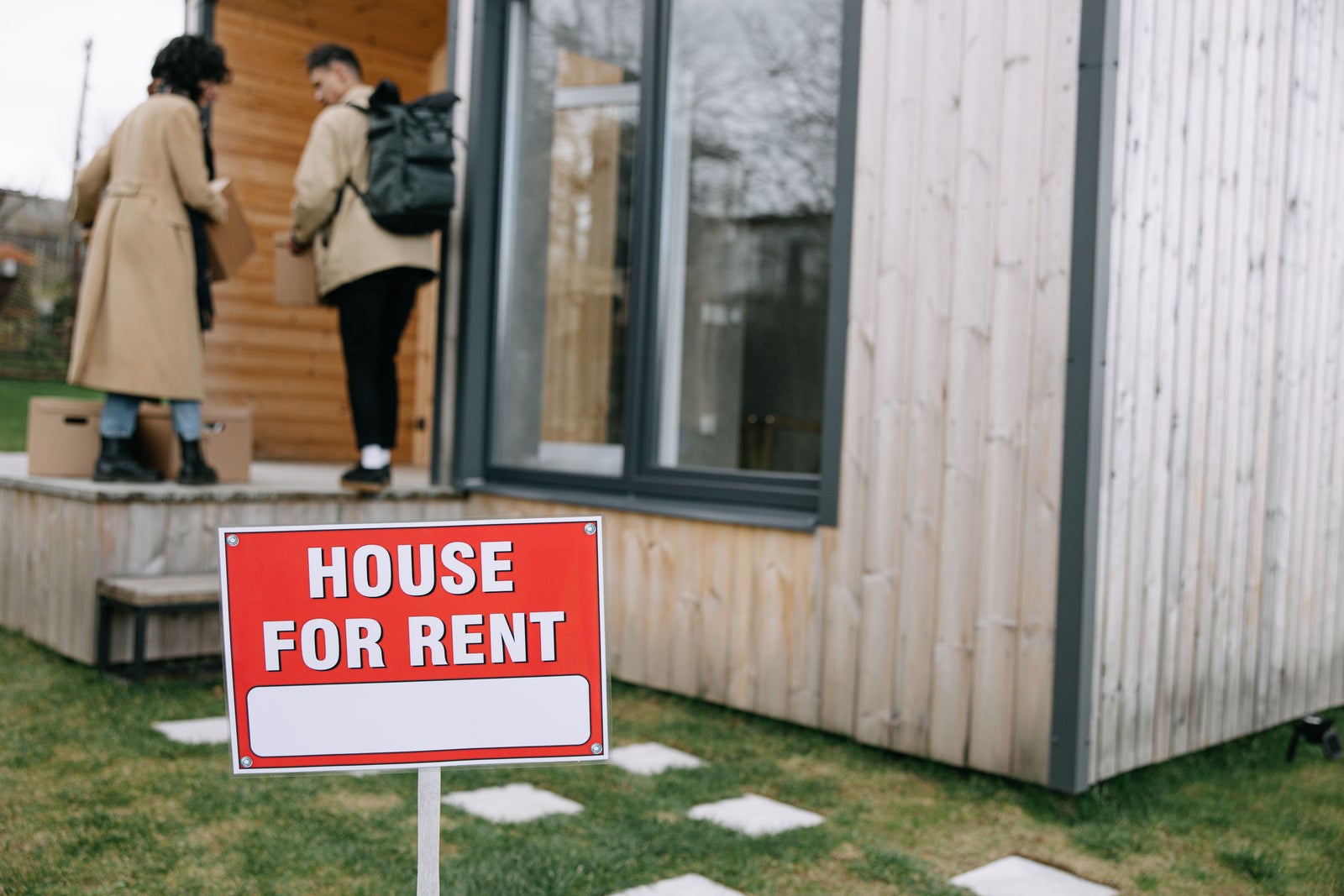
Sometimes.For some households, buying is clearly the better financial decision. For others, renting makes more sense.
The answer depends on your timeline, your down payment, mortgage rates, first-time buyer incentives, and your long-term plans.
The goal isn't to prove that buying is always better or that renting is always cheaper.
The goal is to understand the real costs of both options and choose the one that fits your situation.
Related Reading
- The Cost of Buying a Home: A closer look at closing costs, taxes, inspections, legal fees, and the other expenses buyers need to budget for.
- Renting vs. Buying: Is the 5% Rule Still Relevant?: A detailed explanation of the 5% Rule and how it can be used to compare the cost of renting and owning.
- Does It Make Sense to “Marry the House, Date the Rate?”: How mortgage rates affect affordability and why today’s interest rate may not be permanent.
- 10 Mortgage Deal Killers: Common financial mistakes that can affect mortgage approval before a purchase completes.